Farah Fortune – Celeb PR’s “pit bull in heels” talks artist management
Look for someone who understands your vision and always look for a manager who is willing to put your relationship on paper.”
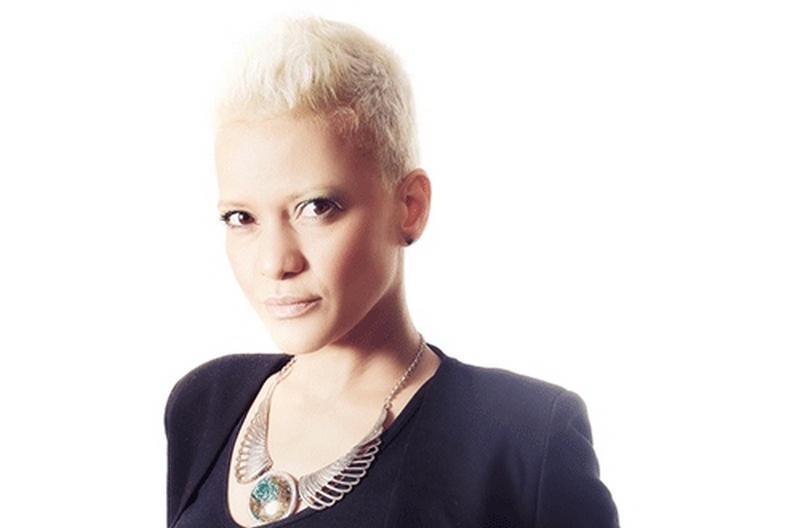
On the slippery slope of stardom seemingly small acts like posting a selfie without makeup or signing a document without reading that “irritating” small print can make or break careers literally.
It’s within this boiler room atmosphere that the steely Farah Fortune is carving a niche as a go-to celebrity and corporate PR professional in South Africa and the wider continent..
In a relatively short six year span, the founder and head honcho of African Star Communications has engineered the progress of stars like Cassper Nyovest and Tumi.
Farah’s combination of book and street smarts has also seen her receiving a number of accolades such as being named as one of the Mail & Guardian’s prestigious “Top 200 Young South Africans”.
From taming the “haters” to handling Godzilla sized egos, giddy up for an exhilarating ride as the self-confessed “pit bull in heels” breaks down the artists and celebrity management game.
In your dealing with various artists over the years, what are some of the important lessons that you’ve learnt?
Farah Fortune: Contracts are important!!!!!!!!!
Get to know your client, not just business wise but personally.
Knowing your client’s life, likes and dislikes, makes a huge difference in your interactions.
Very few people within the industry have defined clearly what exactly a manager does. In your opinion what duties does/should the artist manager undertake?

Farah Fortune: Artist’s managers in South Africa are not as involved as I’ve seen managers involved in the U.S or Europe.
A manager’s role however should be to get the artist work and ensure music is recorded.
They are supposed to finance the career of the artist, with an agreement in place to pay the manager back through performances and endorsements.
Roles often get mixed up. Who is the boss in the working relationship between artist and manager?
Farah Fortune: Always the manager till the artist finds their feet!
The manager should have the knowledge and skill to guide their client till they can guide themselves.
Many artists end up settling for friends or other people who are not skilled enough to take their careers to the next level. What are some of the things you believe artists should consider when looking for a manager?
Farah Fortune: I understand why some artists start off with friends.
They are the people who believe in you the most when you’re starting off, but don’t necessarily have the skills to take you all the way.
Ultimately you need a manager who can see your passion and ambition for your work long before anyone else does.
Look for someone who understands your vision and always look for a manager who is willing to put your relationship on paper.
Artists needs evolve as they progress in their careers. How best do you think an artist on the rise can inform his/her chomi that he/her would like to engage someone with better knowledge and skills, essentially firing the people that came up with him/her!?
Farah Fortune: Either you ask your friend to get the necessary skills or ensure your agreement that is in place, manages this bridge when you cross it.
People who have helped you on your way up are not people you should let go.
Those people believed in you when no one else did. So even if you have to let go of your friend, find another role for them.
How did you get into artist management?

Farah Fortune: My core business focus is and has always been Public Relations.
Artist management was not my goal; I kind of had to assume the role when managers would not take my clients on.
Only when they became bigger were we able to arrange managers.
I still manage some of my artists though, as I find some managers don’t see their vision like they do.
Being an artist manager requires more than skill.
You need to understand your artist and their vision.
At what stage did you realize that you could make a comfortable living out of it?
Farah Fortune: From the day I started my business on 20 June 2008, I knew I would make a living off it.
I had no other choice, it was my only job.
I was broke for about 3 years though, and then I was able to support myself properly.
Looking back what are some of the highlights of your career in artist management that still put a smile on your face today?
Farah Fortune: Watching my clients get their first number 1, their first endorsement deal, their first gig payment, the smile and confidence they have from that is so priceless for me.
There is nothing like helping someone pursue their dreams.
That gives me the biggest smile.
Inversely what have been the toughest moments and how did you overcome them?Making money the first few years was hard as I was still paying my industry dues.
Farah Fortune: I just held on to my belief that it would work and it did.
People give up on their dreams too easily.
My toughest moments really were making sure my daughter was fed when I was broke and my friends helped me there.
They helped me look after and feed my child during the really tough times.

Which artist managers do you look up to or have inspired you?
Farah Fortune: DJ Akio, who manages rapper reason, Tibz from Showlove who has made many an artist’s career, namely AKA, Thabiso Kani who manages K.O and Glen who manages DJ Dimplez. Professionalism from them is like no other I’ve ever experienced
There often is a perception that being an artist manager is all about glitz, glamour and never ending interviews. What are some of the tough decisions and challenges that people might not be aware are faced by artist managers?
Farah Fortune: It’s not glitz and glam that’s for sure!
Sometimes you have to make a choice between endorsements that are similar but pay differently and give different exposure.
You have to ensure you are maintaining your client’s image by pursuing the right gigs and interviews too.
This can be tough sometimes because you have made sure it’s keeping in line with your client’s future visions.
I would love a regulated council on artist managers!
This would make all the chancers work harder to prove their worth to their artists and the industry itself.”
In the cut throat entertainment industry there will always be “haters” and those that go out of their way to ensure your artists don’t get booked, pay journos to raise bad publicity etc. How best is outright hostility handled?

Farah Fortune: Head on!
Never shy away from anyone and anything that comes at you.
Remember people only mess with you if they think they can.
Don’t ever give them the impression they can!
Pursue your dream through all the negativity. You WILL succeed!
If you could get a second chance to start all over again but with all the knowledge you have gained, what things would you change about your initial approach to artist management?
Farah Fortune: I’d be sterner with my approach towards their involvement in their own careers.
Money is often the leading cause of bad blood between artists and their management. How do you think the prickly issue of financial management is best dealt with?
Farah Fortune: Always, always, always have a contract in place.
Friendships can be badly damaged otherwise.
Unfortunately in this industry your word is just that, words.
At the start of the relationship most times agreements are made over a handshake or a contract template downloaded from the Internet. How best do you think contracts can be created that protect both parties especially given that lawyers can be pricey?
Farah Fortune: Try using a memorandum of understanding.
These are usually less costly than contracts and still hold their legal weight.
At least here specifics can be put in plain English and it’s easier to implement.
How have you handled difficult artist clients e.g. they don’t/won’t keep time, throw tantrums, get wasted after concerts etc.?
Farah Fortune: I run a tight ship.
My clients don’t tend to get out of hand too often.
I also make sure all my clients sign a code of conduct when we take them on, so they can’t pull tantrums, because legally they’ve said they wouldn’t lol!

How do you bridge the gap between the artist’s public and private life e.g. can an artist post content that may be deemed controversial on their personal social media platforms?
Farah Fortune: I have very specific rules with my clients of what I will and will not show the public e.g. I don’t let my client do ‘at home’ interviews, ever.
That’s their home.
The one place they get to relax, I wouldn’t want them to feel they are complete public property.
The media has the influence to make or break artists careers how best do you think artist managers should handle the media without necessarily schmoozing them or being too cold?
Farah Fortune: Understand the purpose of the media in your career.
You really can manage media expectations if you set your precedence from the offset of your client’s career.
Accommodate the media but also know when to decline an unnecessary interview and explain to the media person why.
Build your relationship with the media before you even release your artist’s first single.
What are some of the key things aspiring artist managers should consider before they leave their employment elsewhere to become fulltime artist managers?
Farah Fortune: Make sure you believe in your artist for their talent not the money.
Money will come but not when your only purpose is money.
Unfortunately in South Africa there are no colleges offering specific courses/qualifications in artist management. Given this scenario how do you think aspiring artist managers can get the skills they need?
Farah Fortune: Mentorships are the best way.
Also study project management, this is so key within management generally.
Looking forward what do you think needs to be done to ensure professionalism among artist managers e.g. should they have to undergo a registration/accreditation of sorts etc?
Farah Fortune: Yes! I would love a regulated council on artist managers!
This would make all the chancers work harder to prove their worth to their artists and the industry itself.
CONNECT
WITH FARAH FORTUNE
TWITTER | WEBSITE


